
The Benefits of Piano Lessons for Mental Health
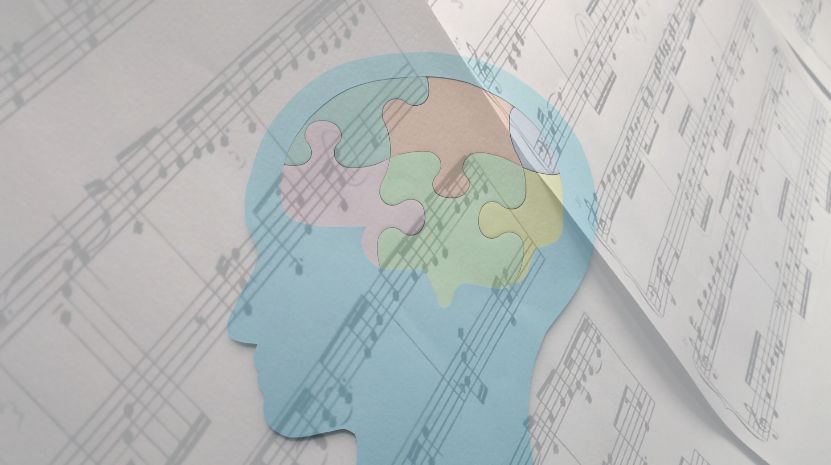
The Mental Health Benefits of Piano Lessons
Piano instruction represents a highly effective interdisciplinary practice that integrates artistic development with measurable psychological and cognitive benefits. Contemporary research in music education, cognitive neuroscience, and mental health indicates that structured engagement in piano lessons contributes to improved emotional regulation, enhanced cognitive performance, and overall well-being. For individuals seeking professional piano lessons in Coquitlam and Port Coquitlam, this form of training offers both artistic and therapeutic value.
Key Benefits of Piano Lessons for Mental Health
- Reduces stress and anxiety through focused musical engagement
- Enhances cognitive functioning, memory, and concentration
- Builds confidence, self-esteem, and personal discipline
- Encourages creativity and expressive thinking
- Promotes social connection through music education environments
- Improves mood and emotional resilience
Piano performance requires sustained attention, fine motor coordination, and auditory processing, which together function as a form of applied mindfulness practice. This cognitive immersion helps reduce stress and anxiety by limiting exposure to intrusive thoughts and external pressures. In addition, participation in musical activities has been associated with the regulation of cortisol levels and the release of endorphins, contributing to improved emotional balance.
From a cognitive standpoint, piano training engages multiple domains of brain activity, including working memory, executive function, and problem-solving skills. Regular participation in piano lessons has been shown to support neuroplasticity, thereby enhancing long-term cognitive flexibility and mental acuity. These outcomes are particularly relevant for students enrolled in structured music programs and piano classes.
The acquisition of pianistic skills also requires consistent practice, goal-setting, and perseverance. This process fosters the development of self-efficacy and intrinsic motivation, leading to increased confidence and self-esteem. As students observe their progress in technical and musical abilities, they often experience a strong sense of achievement that positively influences other academic and personal areas.
In terms of creativity, piano study offers a balanced framework between structure and artistic freedom. Students engage in interpretation, phrasing, and dynamic control, while also exploring improvisation and composition. This dual approach supports creative thinking, innovation, and emotional expression, which are essential components of holistic education.
Furthermore, participation in piano lessons within a professional institution fosters community engagement and social interaction. Opportunities such as recitals, group classes, and collaborative performances provide students with a sense of belonging and peer support. This social dimension is a critical factor in maintaining long-term mental health and motivation.
Finally, piano playing has a direct and positive impact on mood. The integration of emotional expression, cognitive engagement, and auditory stimulation results in increased levels of satisfaction and well-being. For many students, regular piano practice becomes a reliable and constructive strategy for stress management and emotional regulation.
Conclusion
Enrolling in professional piano lessons in Coquitlam and Port Coquitlam at the Vancouver Conservatory of Music provides students with a comprehensive educational experience that extends beyond musical skill development. Through structured instruction, individualized teaching approaches, and a supportive learning environment, students benefit from both high-quality music education and enhanced mental health outcomes. Individuals seeking piano classes near Coquitlam, Port Coquitlam, and the Tri-Cities area are encouraged to explore programs designed to support both artistic growth and psychological well-being.