RCM Programs
The RCM Program at Vancouver Conservatory of Music offers students a structured and internationally recognized pathway in music education through the Royal Conservatory of Music examination system. The program provides comprehensive training in performance, technique, musicianship, ear training, sight-reading, music theory, harmony, music history, and artistic development while preparing students for examinations, performances, university programs, and long-term musical success. Successful completion of RCM examinations leads to internationally recognized certifications and academic credentials.
RCM Piano Program
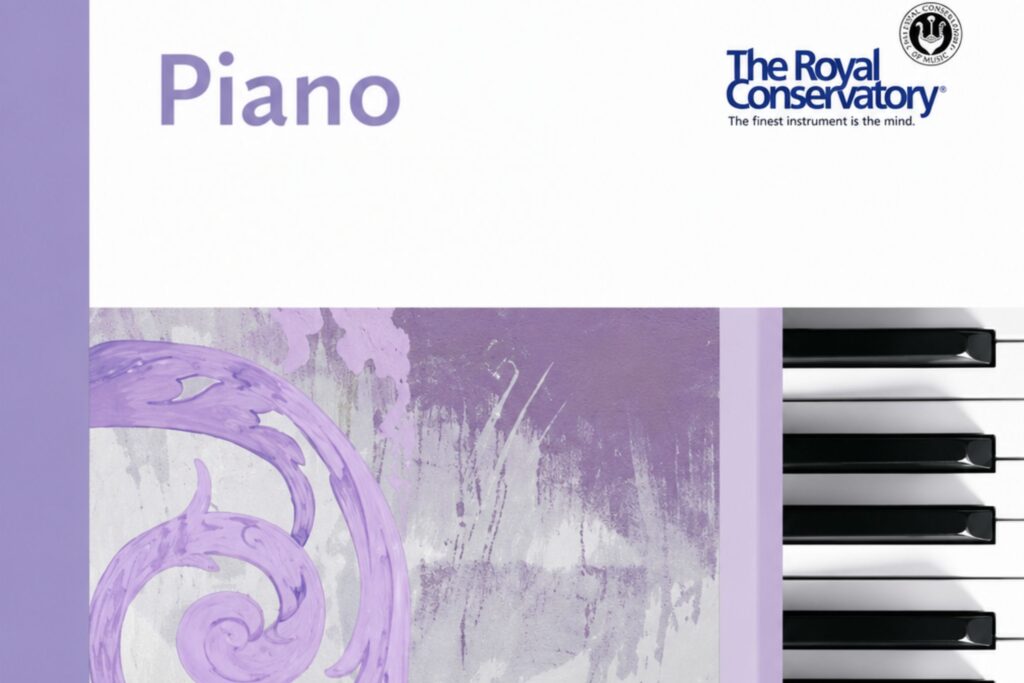
- Prerequisite : Pianokids or Preliminary course
- Duration : 45 or 60 minutes
- Class size : Private, in-person & online
- Age Range : All
- Specification : Personalized course with certification
Four main areas:
Repertoire
• Each level of the VCM Piano Program includes several personalized pieces representing a variety of musical styles, historical periods, and international piano traditions based on the Royal Conservatory of Music (RCM) syllabus.
• Students explore repertoire from Baroque, Classical, Romantic, Impressionist, Contemporary, Jazz-influenced, and orchestral piano literature while developing stylistic understanding and artistic interpretation.
• Personalized repertoire is selected according to each student’s musical interests, personality, cultural background, emotional connection to music, learning style, and long-term musical goals.
• Repertoire studies are designed to develop tone production, finger independence, hand coordination, rhythmic precision, phrasing, pedaling technique, dynamic control, musical expression, and performance confidence.
• Students are encouraged to develop both technical accuracy and artistic individuality through progressive repertoire studies appropriate to each level.
• Advanced repertoire preparation focuses on musical interpretation, stylistic authenticity, stage presence, memorization, collaborative performance skills, and refined piano artistry.
• Students preparing for Royal Conservatory of Music examinations receive structured guidance for repertoire selection, technical preparation, musicianship development, and performance readiness according to official RCM standards.
Etudes
• Etudes are selected to develop technical fluency, finger strength, coordination, rhythmic stability, tonal balance, phrasing, and expressive musical performance within a musical context.
• Students study progressive piano etudes designed to strengthen finger independence, hand coordination, articulation, velocity control, voicing, and musical sensitivity.
• Etude studies support the development of both technical precision and artistic interpretation while preparing students for advanced repertoire and performance opportunities.
• Advanced etudes focus on tonal refinement, expressive phrasing, technical endurance, stylistic flexibility, virtuosic coordination, and refined musical artistry appropriate to higher-level piano performance.
Technical Requirements
• Technical requirements are carefully structured to support the musical and physical demands of the repertoire for each level.
• Technical studies include scales, arpeggios, cadences, chord progressions, double notes, octave technique, voicing, finger dexterity, hand coordination, articulation, velocity control, and pedaling techniques.
• Students develop healthy posture, efficient movement, relaxation, hand balance, rhythmic control, tonal consistency, and refined keyboard technique through progressive technical exercises.
• Technical training is integrated with repertoire studies to help students achieve both artistic expression and strong technical foundations while developing confidence and musical maturity.
• Advanced technical preparation focuses on virtuosic technique, tonal control, musical sensitivity, interpretive depth, stylistic flexibility, and professional-level piano performance skills.
Musicianship Skills
• A thoughtful and consistent approach to ear training, rhythm development, sight-reading, and musical analysis provides students with a strong foundation for independent musical growth and creative exploration.
• Students develop listening skills, harmonic awareness, rhythmic accuracy, musical memory, stylistic sensitivity, and interpretive understanding appropriate to piano performance.
• Musicianship training supports both theoretical understanding and practical musical application through performance, analysis, and creative exercises.
• Sight-reading, rhythmic studies, ear training, harmonization, transposition, and musical interpretation activities are integrated into weekly lessons to strengthen musical fluency and confidence.
• Students learn to connect technical ability with expressive interpretation, artistic communication, stylistic awareness, collaborative performance, and deeper musical understanding.
• Advanced musicianship development encourages independent learning, refined listening, analytical thinking, and artistic decision-making essential for long-term musical success.
Preliminary 1
At the end of this course, students will be playing simple pieces in white keys in A minor and C major scales with a focus on sight-reading skills.
▼ Read MoreLevel 1 teaches students foundational musical concepts, including time values, pitches, rhythmic precision, notation, and dynamics, while encouraging the development of proper finger, arm, and body positions with a faster pace and using different methods compared with Pianokids.
Preliminary 2
Building on the concepts explored in Level 1, Level 2 aims to enhance students’ confidence and improve their technique. Students receive instruction in the fundamentals of piano play and study score reading, proper pedal use, phrasing, and other concepts and techniques.
The virtues of practice, discipline, posture, and technique are conveyed in a fun, upbeat environment. The repertoire is drawn from a variety of styles, from highly lyrical works to rhythmic pieces.
Prerequisite: Preliminary 1, or permission of the instructor.
Preliminary 3
Level 3 studies deepen the link between theory and practice by further developing students’ awareness of dynamics, articulation, and tone quality. Particular attention is paid to basic musicianship and body awareness.
Prerequisite: Preliminary 2, or permission of the instructor.
RCM Violin Program
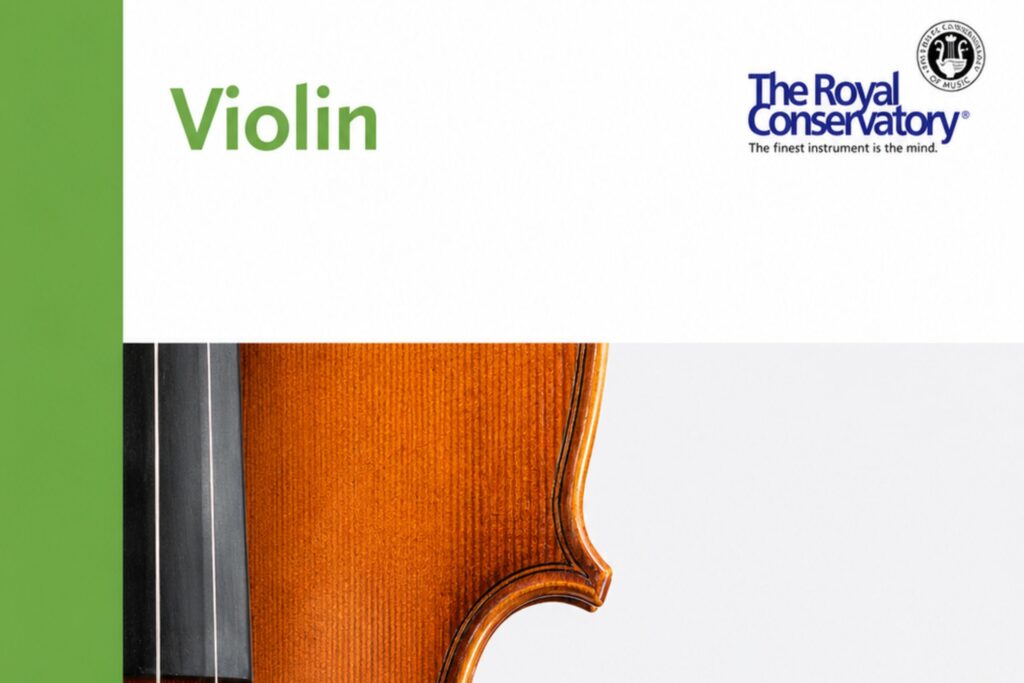
- Prerequisite : Violinkids or Preliminary course
- Duration : 45 or 60 minutes
- Class size : Private, in-person & online
- Age Range : All
- Specification : Certification & high-school credit
Four main areas:
Repertoire
• Each level of the VCM Violin Program includes several personalized pieces representing a variety of musical styles, historical periods, and international violin traditions based on the Royal Conservatory of Music (RCM) syllabus.
• Students explore repertoire from Baroque, Classical, Romantic, Contemporary, folk-inspired, and orchestral violin literature while developing stylistic understanding and artistic interpretation.
• Personalized repertoire is selected according to each student’s musical interests, personality, cultural background, emotional connection to music, learning style, and long-term musical goals.
• Repertoire studies are designed to develop tone production, bow control, intonation, rhythmic precision, phrasing, vibrato, articulation, musical expression, and performance confidence.
• Students are encouraged to develop both technical precision and artistic individuality through progressive repertoire studies appropriate to each level.
• Advanced repertoire preparation focuses on musical interpretation, stylistic authenticity, stage presence, memorization, ensemble collaboration, and refined violin artistry.
• Students preparing for Royal Conservatory of Music examinations receive structured guidance for repertoire selection, technical preparation, musicianship development, and performance readiness according to official RCM standards.
Etudes
• Etudes are selected to develop technical fluency, bow control, finger independence, rhythmic stability, tonal consistency, phrasing, and expressive musical performance within a musical context.
• Students study progressive violin etudes designed to strengthen shifting accuracy, articulation, string crossings, bow coordination, vibrato control, and musical sensitivity.
• Etude studies support the development of both technical precision and artistic interpretation while preparing students for advanced repertoire and performance opportunities.
• Advanced etudes focus on tonal refinement, expressive phrasing, technical endurance, stylistic flexibility, advanced bowing control, and refined musical artistry appropriate to higher-level violin performance.
Technical Requirements
• Technical requirements are carefully structured to support the musical and physical demands of the repertoire for each level.
• Technical studies include scales, arpeggios, shifting, vibrato development, double stops, string crossings, bow distribution, articulation techniques, spiccato, détaché, legato, staccato, finger dexterity, and tonal development.
• Students develop proper posture, bow hold, left-hand coordination, intonation accuracy, rhythmic control, relaxation, and efficient technical movement through progressive exercises.
• Technical training is integrated with repertoire studies to help students achieve both artistic expression and strong technical foundations while developing confidence and musical maturity.
• Advanced technical preparation focuses on virtuosic technique, advanced bowing control, tonal refinement, interpretive depth, stylistic flexibility, and expressive artistry required for higher-level repertoire and performance opportunities.
Musicianship Skills
• A thoughtful and consistent approach to ear training, rhythm development, sight-reading, and musical analysis provides students with a strong foundation for independent musical growth and creative exploration.
• Students develop listening skills, intonation awareness, rhythmic accuracy, musical memory, harmonic understanding, stylistic sensitivity, and interpretive awareness appropriate to violin performance.
• Musicianship training supports both theoretical understanding and practical musical application through performance, analysis, and creative exercises.
• Sight-reading, rhythmic studies, ear training, harmonization, ensemble awareness, and musical interpretation activities are integrated into weekly lessons to strengthen musical fluency and confidence.
• Students learn to connect technical ability with expressive interpretation, artistic communication, stylistic awareness, collaborative performance, and deeper musical understanding.
• Advanced musicianship development encourages independent learning, refined listening, analytical thinking, artistic decision-making, and expressive performance skills essential for long-term musical success.
Preliminary 1
At the end of this course, students will be playing simple pieces in white keys in A minor and C major scales with a focus on sight-reading skills.
▼ Read MoreLevel 1 teaches students foundational musical concepts, including time values, pitches, rhythmic precision, notation, and dynamics, while encouraging the development of proper finger, arm, and body positions with a faster pace and using different methods compared with Pianokids.
Preliminary 2
Building on the concepts explored in Level 1, Level 2 aims to enhance students’ confidence and improve their technique. Students receive instruction in the fundamentals of piano play and study score reading, proper pedal use, phrasing, and other concepts and techniques.
The virtues of practice, discipline, posture, and technique are conveyed in a fun, upbeat environment. The repertoire is drawn from a variety of styles, from highly lyrical works to rhythmic pieces.
Prerequisite: Preliminary 1, or permission of the instructor.
Preliminary 3
Level 3 studies deepen the link between theory and practice by further developing students’ awareness of dynamics, articulation, and tone quality. Particular attention is paid to basic musicianship and body awareness.
Prerequisite: Preliminary 2, or permission of the instructor.
RCM Viola Program
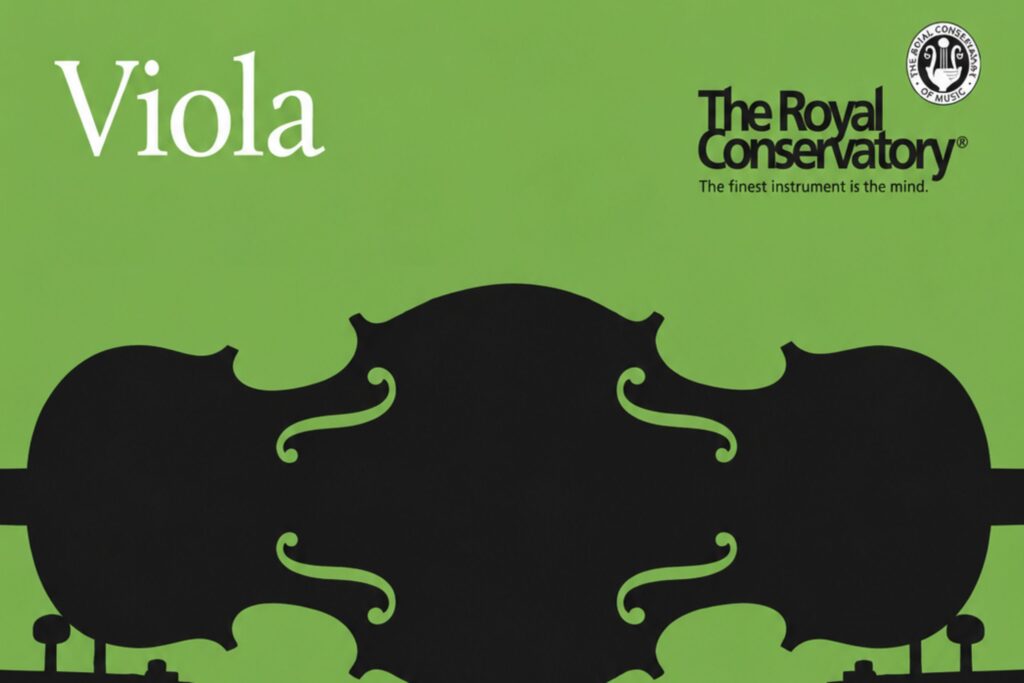
- Prerequisite : Pianokids or preliminary course
- Duration : 45 or 60 minutes
- Class size : Private, in-person & online
- Age Range : All
- Specification : Certification & high-school credit
Four main areas:
Repertoire
• Each level of the RCM Viola Program includes a broad selection of repertoire representing a variety of musical styles, historical periods, and viola traditions.
• Students explore works from Baroque, Classical, Romantic, Contemporary, and orchestral viola literature while developing stylistic awareness and artistic interpretation.
• Regular updates to the repertoire keep musical selections engaging, inspiring, and educationally progressive.
• Teachers and students may also incorporate personalized repertoire choices through teacher-selected works that reflect the student’s musical interests and artistic goals.
• Repertoire studies are designed to strengthen tone production, bow control, phrasing, intonation, rhythmic precision, and expressive performance skills.
Etudes
• Etudes are selected to develop technical fluency, rhythmic stability, tonal consistency, and expressive musical performance within a musical context.
• Students study progressive viola etudes designed to strengthen shifting accuracy, finger independence, bow coordination, articulation, and musical sensitivity.
• Etude studies support the development of both technical precision and artistic interpretation while preparing students for advanced repertoire and performance opportunities.
• Advanced etudes focus on tonal refinement, expressive phrasing, technical endurance, stylistic awareness, and refined musical control appropriate to higher-level viola performance.
Technical Requirements
• Technical requirements are carefully designed to support the musical and technical demands of the repertoire for each level.
• Technical studies include scales, arpeggios, shifting, bowing techniques, double stops, vibrato development, articulation, and tone production.
• Students develop posture, bow control, left-hand coordination, finger independence, and intonation accuracy through progressive exercises and studies.
• Technical training is integrated with repertoire studies to help students achieve both strong technical foundations and artistic confidence.
• Advanced technical preparation focuses on tone refinement, bow control, left-hand agility, dynamic flexibility, endurance, and professional-level viola technique.
Musicianship Skills
• A thoughtful and consistent approach to ear training, rhythm development, and sight-reading provides students with a strong foundation for independent musical growth and creative exploration.
• Students develop listening skills, intonation awareness, rhythmic accuracy, harmonic understanding, musical memory, and stylistic sensitivity appropriate to viola performance.
• Musicianship skills are developed to support both theoretical understanding and practical musical performance.
• Sight-reading, ear training, and musical analysis activities are integrated into weekly lessons to strengthen musical fluency and confidence.
• Students learn to connect technical ability with expressive interpretation, ensemble awareness, and deeper musical understanding.
The RCM piano program provides students with world-class, well-rounded musical training, from elementary through to advanced levels. With the completion of each level, students further hone their skills and develop their ability to play music independently.
▼ Read MoreThe program at the Vancouver Conservatory of Music encompasses three main areas:
Repertoire
• Each level includes a broad selection of pieces representing a variety of musical styles and historical periods.
• Regular reviews of the repertoire keep the selections fresh and innovative.
• Teachers and students can add favorite pieces through the teacher’s choice selections.
Technical Requirements & Etudes
• Technical requirements are designed to support the demands of the repertoire for each level.
• Technical tests include scales, chords, and arpeggios.
• Etudes develop technical skills within a musical context.
Musicianship Skills
• A thoughtful and consistent approach to the development of ear training and sight-reading provides students with a solid foundation for independent creative musical explorations.
• Musicianship skills are developed to support the goals and requirements of both theoretical understanding and musical performance.
RCM Cello Program
- Prerequisite : Cellokids or Preliminary course
- Duration : 45 or 60 minutes
- Class size : Private, in-person & online
- Age Range : All
- Specification : Certification & high-school credit
Four main areas:
Repertoire
• Each level of the VCM Cello Program includes several personalized pieces representing a variety of musical styles, historical periods, and international cello traditions based on the Royal Conservatory of Music (RCM) syllabus.
• Students explore repertoire from Baroque, Classical, Romantic, Contemporary, and orchestral cello literature while developing stylistic understanding and artistic interpretation.
• Personalized repertoire is selected according to each student’s musical interests, personality, cultural background, emotional connection to music, and learning goals.
• Repertoire studies are designed to develop tone production, bow control, phrasing, rhythmic precision, intonation, expressive playing, and performance confidence.
• Advanced repertoire preparation focuses on musical interpretation, stage presence, memorization, stylistic authenticity, and refined cello performance skills appropriate to each level.
Etudes
• Etudes are selected to develop technical fluency, bow control, rhythmic stability, tonal consistency, and expressive musical performance within a musical context.
• Students study progressive cello etudes designed to strengthen shifting accuracy, finger independence, bow coordination, articulation, and musical sensitivity.
• Etude studies support the development of both technical precision and artistic interpretation while preparing students for advanced repertoire and performance opportunities.
• Advanced etudes focus on tonal refinement, expressive phrasing, technical endurance, stylistic awareness, and refined musical control appropriate to higher-level cello performance.
Technical Requirements
• Technical requirements are carefully structured to support the musical and physical demands of the repertoire for each level.
• Technical studies include scales, arpeggios, shifting, bow distribution, vibrato development, double stops, articulation, finger independence, and tone production.
• Students develop proper posture, bow hold, left-hand coordination, intonation accuracy, relaxation, and efficient technical movement through progressive exercises.
• Technical training is integrated with repertoire studies to help students achieve both artistic expression and strong technical foundations.
• Advanced technical preparation focuses on tone refinement, bow control, left-hand agility, dynamic flexibility, endurance, and professional-level cello technique.
Musicianship Skills
• A thoughtful and consistent approach to ear training, rhythm development, and sight-reading provides students with a strong foundation for independent musical growth and creative exploration.
• Students develop listening skills, intonation awareness, rhythmic accuracy, harmonic understanding, musical memory, and stylistic sensitivity appropriate to cello performance.
• Musicianship training supports both theoretical understanding and practical musical application through performance, analysis, and creative exercises.
• Sight-reading, rhythmic studies, and ear training activities are integrated into weekly lessons to strengthen musical fluency and confidence.
• Students learn to connect technical ability with expressive interpretation, artistic communication, ensemble awareness, and deeper musical understanding.
The VCM piano program provides students with world-class and personalized musical training, from elementary through to advanced levels. After completing each level, students can register for the VCM piano exam to receive constructive feedback from professional instructors and earn a VCM piano certificate.
▼ Read MoreThe program at the Vancouver Conservatory of Music encompasses three main areas:
Repertoire
• Each level includes several personalized pieces representing a variety of musical styles and historical periods.
• Personalized pieces selected based on psychological and cultural preferences and moods.
Improvisation, Etudes, and Technics
• Improvisation is designed to empower the students’ brain output similar to learning speaking and writing.
• Technical requirements are designed to support the demands of the repertoire for each level.
• Technical tests include scales, chords, and arpeggios.
• Etudes develop technical skills within a musical context.
Musicianship Skills
• A thoughtful and consistent approach to the development of ear training and sight-reading provides students with a solid foundation for independent creative musical explorations.
• Musicianship skills are developed to support the goals and requirements of both theoretical understanding and musical performance.
RCM Voice Program
- Prerequisite : Voicekids or Preliminary course
- Duration : 45 or 60 minutes
- Class size : Private, in-person & online
- Age Range : All
- Specification : Certification & high-school credit
Four main areas:
Repertoire
• Each level of the VCM Voice Program includes several personalized vocal pieces representing a variety of musical styles, languages, and historical periods based on the Royal Conservatory of Music (RCM) syllabus.
• Students explore repertoire from Classical, Musical Theatre, Folk, Contemporary, Art Song, and international vocal traditions while developing stylistic understanding and artistic interpretation.
• Personalized repertoire is selected according to each student’s vocal range, personality, cultural background, musical interests, emotional connection to music, and learning goals.
• Repertoire studies are designed to develop vocal tone, breath control, diction, phrasing, musical expression, stage confidence, and performance skills.
• Advanced repertoire preparation focuses on artistic interpretation, memorization, stylistic authenticity, communication, and healthy vocal production appropriate to each level.
Etudes
• Vocalises and etudes are selected to develop technical fluency, intonation, rhythmic stability, tone consistency, and expressive musical performance within a musical context.
• Students study progressive vocal exercises designed to strengthen resonance, flexibility, diction clarity, breath coordination, and vocal agility.
• Etude studies support the development of both technical precision and artistic interpretation while preparing students for advanced repertoire and performance opportunities.
• Advanced vocal studies focus on expressive phrasing, tonal refinement, endurance, stylistic awareness, and refined musical communication appropriate to higher-level vocal performance.
Technical Requirements
• Technical requirements are carefully structured to support the musical and vocal demands of the repertoire for each level.
• Technical studies include breath control, resonance development, vocal placement, articulation, diction, range development, agility, tone production, and vocal flexibility.
• Students develop healthy posture, vocal coordination, relaxation, ear awareness, and efficient vocal technique through progressive exercises and vocal studies.
• Technical training is integrated with repertoire studies to help students achieve both artistic expression and healthy long-term vocal development.
• Advanced technical preparation focuses on tonal consistency, dynamic control, expressive communication, vocal endurance, and professional-level vocal technique.
Musicianship Skills
• A thoughtful and consistent approach to ear training, rhythm development, sight-singing, and musical interpretation provides students with a strong foundation for independent musical growth and creative exploration.
• Students develop listening skills, pitch accuracy, rhythmic precision, harmonic awareness, musical memory, diction awareness, and stylistic understanding appropriate to vocal performance.
• Musicianship training supports both theoretical understanding and practical musical application through performance, analysis, and creative exercises.
• Sight-singing, rhythmic studies, ear training, and musical interpretation activities are integrated into weekly lessons to strengthen musical fluency and confidence.
• Students learn to connect vocal technique with expressive interpretation, artistic communication, storytelling, and deeper musical understanding.
The VCM piano program provides students with world-class and personalized musical training, from elementary through to advanced levels. After completing each level, students can register for the VCM piano exam to receive constructive feedback from professional instructors and earn a VCM piano certificate.
▼ Read MoreThe program at the Vancouver Conservatory of Music encompasses three main areas:
Repertoire
• Each level includes several personalized pieces representing a variety of musical styles and historical periods.
• Personalized pieces selected based on psychological and cultural preferences and moods.
Improvisation, Etudes, and Technics
• Improvisation is designed to empower the students’ brain output similar to learning speaking and writing.
• Technical requirements are designed to support the demands of the repertoire for each level.
• Technical tests include scales, chords, and arpeggios.
• Etudes develop technical skills within a musical context.
Musicianship Skills
• A thoughtful and consistent approach to the development of ear training and sight-reading provides students with a solid foundation for independent creative musical explorations.
• Musicianship skills are developed to support the goals and requirements of both theoretical understanding and musical performance.
RCM Guitar Program
- Prerequisite : Guitarkids or Preliminary course
- Duration : 45 or 60 minutes
- Class size : Private, in-person & online
- Age Range : All
- Specification : Certification & high-school credit
Four main areas:
Repertoire
• Each level of the VCM Classical Guitar Program includes several personalized pieces representing a variety of musical styles, historical periods, and guitar traditions based on the Royal Conservatory of Music (RCM) syllabus.
• Students explore repertoire from Baroque, Classical, Romantic, Contemporary, Latin, and Spanish classical guitar traditions while developing stylistic understanding and artistic interpretation.
• Personalized repertoire is selected according to each student’s musical interests, personality, cultural background, emotional connection to music, and learning goals.
• Repertoire studies are designed to develop tone production, phrasing, rhythmic precision, finger independence, dynamic control, and expressive performance skills.
• Advanced repertoire preparation focuses on musical interpretation, stage confidence, memorization, and stylistic authenticity appropriate to each level.
Etudes
• Etudes are selected to develop technical fluency, articulation, rhythmic stability, tone balance, and expressive musical performance within a musical context.
• Students study progressive classical guitar etudes that strengthen finger independence, coordination, phrasing, right-hand balance, and musical sensitivity.
• Etude studies support the development of both technical precision and artistic interpretation while preparing students for advanced repertoire and performance opportunities.
• Advanced etudes focus on tonal consistency, expressive phrasing, technical endurance, stylistic awareness, and refined musical control appropriate to higher-level classical guitar performance.
Technical Requirements
• Technical requirements are carefully structured to support the musical and physical demands of the repertoire for each level.
• Technical studies include scales, chords, arpeggios, slurs, barre technique, tremolo, fingerstyle coordination, position shifts, and right-hand development.
• Students develop proper posture, hand position, tone control, relaxation, finger independence, and efficient technical movement through progressive exercises.
• Technical training is integrated with repertoire studies to help students achieve both artistic expression and technical confidence.
• Advanced technical preparation focuses on tone refinement, articulation control, hand synchronization, dynamic flexibility, and professional-level classical guitar technique.
Musicianship Skills
• A thoughtful and consistent approach to ear training, rhythm development, sight-reading, and improvisation provides students with a strong foundation for independent musical growth and creative exploration.
• Improvisation activities are designed to strengthen creativity, musical communication, spontaneous artistic expression, and independent musical thinking similar to the natural process of speaking and writing.
• Students develop listening skills, rhythmic accuracy, harmonic awareness, musical memory, and stylistic understanding appropriate to classical guitar performance.
• Musicianship training supports both theoretical understanding and practical musical application through performance, analysis, improvisation, and creative exercises.
• Sight-reading, rhythmic studies, ear training, and improvisational activities are integrated into weekly lessons to strengthen musical fluency and confidence.
• Students learn to connect technical ability with expressive interpretation, artistic communication, and deeper musical understanding.
The VCM piano program provides students with world-class and personalized musical training, from elementary through to advanced levels. After completing each level, students can register for the VCM piano exam to receive constructive feedback from professional instructors and earn a VCM piano certificate.
▼ Read MoreThe program at the Vancouver Conservatory of Music encompasses three main areas:
Repertoire
• Each level includes several personalized pieces representing a variety of musical styles and historical periods.
• Personalized pieces selected based on psychological and cultural preferences and moods.
Improvisation, Etudes, and Technics
• Improvisation is designed to empower the students’ brain output similar to learning speaking and writing.
• Technical requirements are designed to support the demands of the repertoire for each level.
• Technical tests include scales, chords, and arpeggios.
• Etudes develop technical skills within a musical context.
Musicianship Skills
• A thoughtful and consistent approach to the development of ear training and sight-reading provides students with a solid foundation for independent creative musical explorations.
• Musicianship skills are developed to support the goals and requirements of both theoretical understanding and musical performance.
RCM Flute Program
- Prerequisite : Preliminary course
- Duration : 45 or 60 minutes
- Class size : Private, in-person & online
- Age Range : All
- Specification : Certification & high-school credit
Four main areas:
Repertoire
• Each level of the VCM Flute Program includes several personalized pieces representing a variety of musical styles, historical periods, and flute traditions based on the Royal Conservatory of Music (RCM) syllabus.
• Students explore repertoire from Baroque, Classical, Romantic, Contemporary, orchestral, and international flute literature while developing stylistic understanding and artistic interpretation.
• Personalized repertoire is selected according to each student’s musical interests, personality, cultural background, emotional connection to music, and learning goals.
• Repertoire studies are designed to develop tone production, breath control, phrasing, articulation, rhythmic precision, finger coordination, dynamic control, and expressive performance skills.
• Advanced repertoire preparation focuses on musical interpretation, stage confidence, memorization, tonal refinement, and stylistic authenticity appropriate to each level.
Etudes
• Etudes are carefully selected to develop technical fluency, articulation clarity, rhythmic stability, tonal balance, breath control, and expressive musical performance within a musical context.
• Students study progressive flute etudes designed to strengthen finger dexterity, coordination, phrasing, dynamic control, and musical sensitivity.
• Etude studies support the development of both technical precision and artistic interpretation while preparing students for advanced repertoire and performance opportunities.
• Advanced etudes focus on refined articulation, tonal consistency, flexibility, endurance, expressive phrasing, and stylistic awareness appropriate to higher-level flute performance.
Technical Requirements
• Technical requirements are carefully structured to support the musical and physical demands of the repertoire for each level.
• Technical studies include scales, arpeggios, articulation exercises, breath support, tone development, finger dexterity, vibrato control, interval studies, flexibility exercises, and technical coordination.
• Students develop proper posture, embouchure formation, breathing technique, tone consistency, relaxation, finger independence, and efficient technical movement through progressive exercises.
• Technical training is integrated with repertoire studies to help students achieve both artistic expression and technical confidence.
• Advanced technical preparation focuses on tonal refinement, articulation flexibility, endurance, control across registers, and professional-level flute technique.
Musicianship Skills
• A thoughtful and consistent approach to ear training, rhythm development, and sight-reading provides students with a strong foundation for independent musical growth and creative exploration.
• Students develop listening skills, rhythmic accuracy, harmonic awareness, musical memory, tonal sensitivity, and stylistic understanding appropriate to flute performance.
• Musicianship training supports both theoretical understanding and practical musical application through performance, analysis, and creative exercises.
• Sight-reading, rhythmic studies, and ear training activities are integrated into weekly lessons to strengthen musical fluency and confidence.
• Students learn to connect technical ability with expressive interpretation, artistic communication, ensemble awareness, and deeper musical understanding.
The VCM piano program provides students with world-class and personalized musical training, from elementary through to advanced levels. After completing each level, students can register for the VCM piano exam to receive constructive feedback from professional instructors and earn a VCM piano certificate.
▼ Read MoreThe program at the Vancouver Conservatory of Music encompasses three main areas:
Repertoire
• Each level includes several personalized pieces representing a variety of musical styles and historical periods.
• Personalized pieces selected based on psychological and cultural preferences and moods.
Improvisation, Etudes, and Technics
• Improvisation is designed to empower the students’ brain output similar to learning speaking and writing.
• Technical requirements are designed to support the demands of the repertoire for each level.
• Technical tests include scales, chords, and arpeggios.
• Etudes develop technical skills within a musical context.
Musicianship Skills
• A thoughtful and consistent approach to the development of ear training and sight-reading provides students with a solid foundation for independent creative musical explorations.
• Musicianship skills are developed to support the goals and requirements of both theoretical understanding and musical performance.
RCM Music Theory
- Prerequisite : Previous RCM Theory level completion
- Duration : 30, 45, or 60 minutes
- Class size : Private, in-person & online
- Age Range : All
- Specification : Certification & high-school credit
Three Areas of Instruction:
RCM Preparatory to Level 4 (Elementary Theory)
• Students develop a strong foundation in music literacy through note reading, rhythm studies, intervals, scales, key signatures, ear training, and basic harmony.
• Theory instruction is carefully aligned with Royal Conservatory of Music (RCM) curriculum requirements for Preparatory through Level 4.
• Lessons are designed to strengthen the connection between theoretical understanding and practical musical performance.
• Students build confidence in sight-reading, rhythmic accuracy, musical terminology, and fundamental analysis skills.
• Creative and interactive teaching methods help students develop independent musical thinking and long-term musicianship skills.
RCM Level 5 – Level 8 (Intermediate Theory)
• Intermediate theory studies focus on harmony, chord progressions, transposition, musical form, analysis, and ear training according to RCM examination standards.
• Students develop deeper understanding of harmonic structure, melodic writing, cadences, scales, intervals, and functional harmony.
• Completion of Level 5 through Level 8 theory requirements is an essential prerequisite for students pursuing Royal Conservatory of Music practical certificates in all instruments and disciplines.
• Students preparing for RCM practical examinations are required to successfully complete the corresponding theory levels in order to receive official RCM certification.
• Training includes preparation for Royal Conservatory of Music written examinations from Level 5 through Level 8.
• Sight-singing, rhythmic dictation, melodic analysis, and applied theoretical concepts are integrated into weekly lessons.
• Students strengthen analytical thinking, musical memory, and the ability to understand repertoire from both technical and artistic perspectives.
RCM Level 9 to ARCT (Advanced Theory)
• Advanced studies focus on harmony, counterpoint, analysis, music history, advanced ear training, and formal musical structure.
• Students prepare for upper-level Royal Conservatory of Music examinations including Level 9, Level 10, Harmony & Counterpoint, Analysis, and ARCT theoretical requirements.
• Advanced harmony studies include four-part writing, chromatic harmony, modulation, secondary dominants, Neapolitan chords, augmented sixth chords, and advanced harmonic progression techniques.
• Counterpoint studies focus on species counterpoint, voice leading, melodic independence, polyphonic writing, and stylistic composition practices from historical periods.
• Analysis courses develop deeper understanding of musical forms, harmonic architecture, thematic development, orchestration concepts, and stylistic interpretation of major classical works.
• Students refine score-reading abilities and learn to interpret complex musical structures with both technical precision and artistic insight.
• Advanced theory training supports university entrance preparation, composition studies, professional teaching qualifications, conducting, and high-level musical performance development.
• ARCT-level theoretical studies are designed for students seeking advanced academic achievement and professional-level musicianship within the Royal Conservatory of Music system.
The VCM piano program provides students with world-class and personalized musical training, from elementary through to advanced levels. After completing each level, students can register for the VCM piano exam to receive constructive feedback from professional instructors and earn a VCM piano certificate.
▼ Read MoreThe program at the Vancouver Conservatory of Music encompasses three main areas:
Repertoire
• Each level includes several personalized pieces representing a variety of musical styles and historical periods.
• Personalized pieces selected based on psychological and cultural preferences and moods.
Improvisation, Etudes, and Technics
• Improvisation is designed to empower the students’ brain output similar to learning speaking and writing.
• Technical requirements are designed to support the demands of the repertoire for each level.
• Technical tests include scales, chords, and arpeggios.
• Etudes develop technical skills within a musical context.
Musicianship Skills
• A thoughtful and consistent approach to the development of ear training and sight-reading provides students with a solid foundation for independent creative musical explorations.
• Musicianship skills are developed to support the goals and requirements of both theoretical understanding and musical performance.